



The Wildland-Urban Interface (WUI) refers to areas where human development meets or intermingles with undeveloped wildland or vegetative fuels. As urban development encroaches on wildland areas, the intersection known as the Wildland-Urban Interface (WUI) presents unique fire management challenges. Understanding WUI regulations is crucial for enhancing safety and ensuring compliance.
The concept of the Wildland-Urban Interface originated in the United States during the 1970s and 1980s. As suburban expansion began to push into wildland areas, the risks associated with wildfires became increasingly apparent. The devastating Oakland Hills fire in 1991, which destroyed almost 3,500 homes, underscored the need for stringent WUI regulations, prompting the development of guidelines to protect human lives and properties. Initially developed in the United States, WUI regulations have since been adopted by countries like Canada, Australia, and various European nations to boost their fire safety measures.
WUI regulations offer numerous benefits, including enhanced safety by reducing the risk of wildfires affecting human settlements. Economically, investing in WUI compliance can lower insurance premiums and minimize the costs associated with wildfire damage and recovery. Environmentally, these regulations promote sustainable land use and vegetation management practices, protecting natural resources and biodiversity. In summary, WUI regulations play a vital role in enhancing safety, providing economic benefits, and promoting environmental stewardship. By adopting and adhering to these regulations, communities can create a safer and more resilient future in the face of increasing wildfire risks.
At AL13® we prioritize safety and compliance with WUI regulations by offering fire-resistant cladding systems. Our systems meet stringent standards to provide superior protection in WUI areas. Detailed information about our WUI listings and other testing certifications is available on our website. By choosing AL13® homeowners and builders can ensure their properties are better protected against the threat of wildfires.
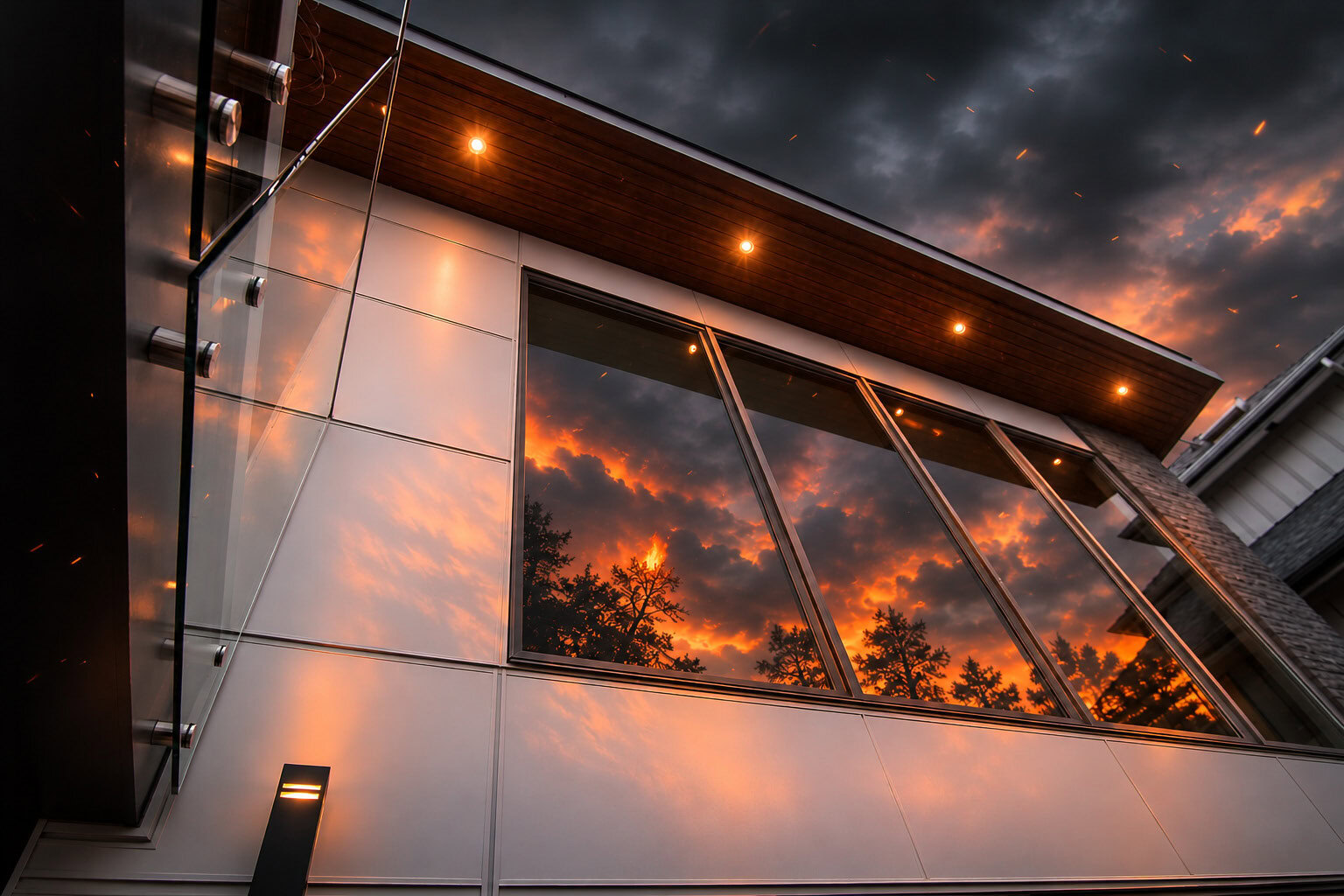
Both AL13 panels and planks are designed to meet and exceed WUI requirements, providing robust solutions for reducing wildfire risks in vulnerable WUI community zones.
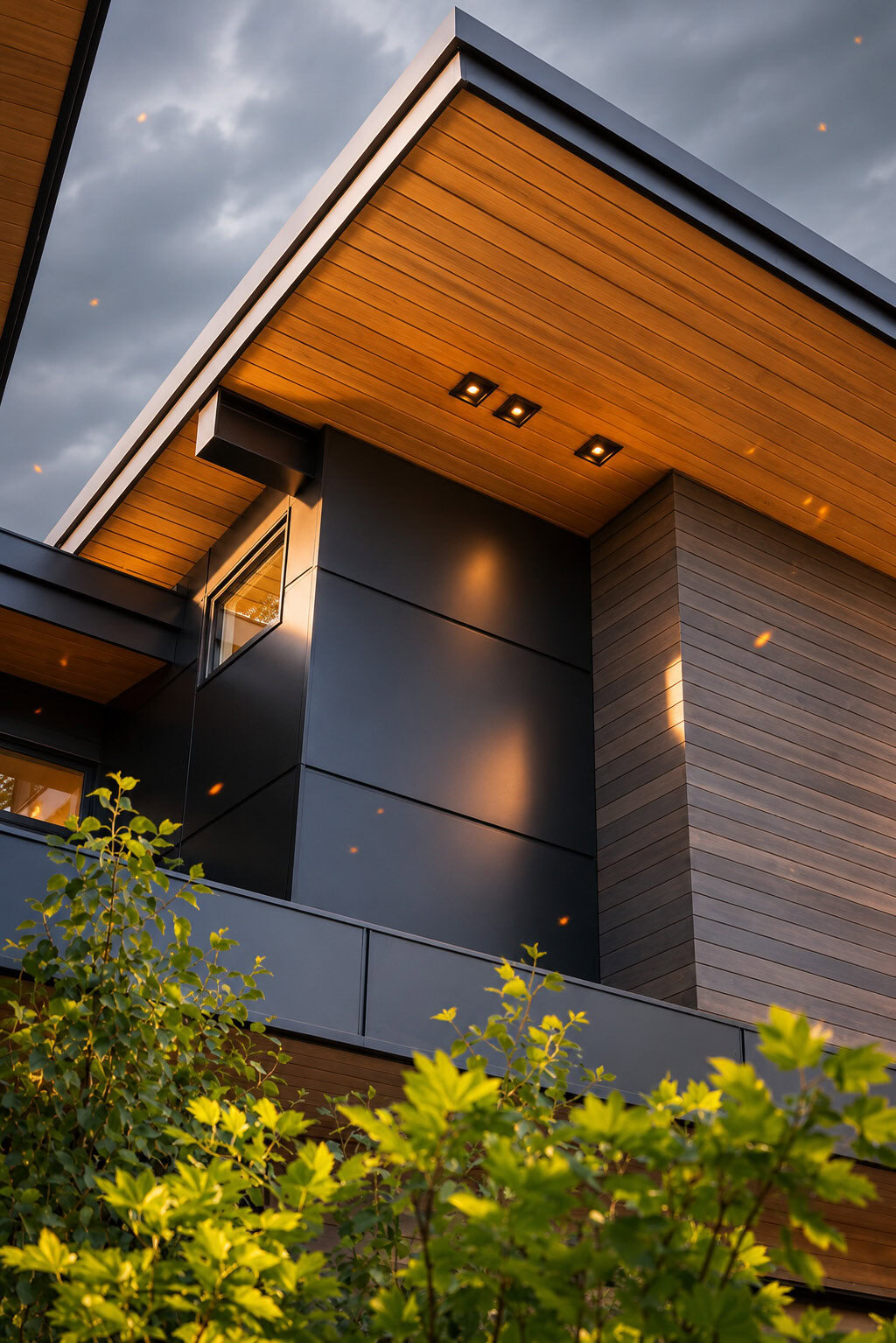
Panel Applications and Specifications: AL13® panels are versatile and suitable for walls, fascia, soffits and accents. Standard 4mm ACM panels measure 4′ x 8′, with custom sizes available. Panels come in a fire-resistant mineral core.
Testing and Certifications: AL13® panels undergo extensive third-party testing, earning certifications from prominent North American standards.
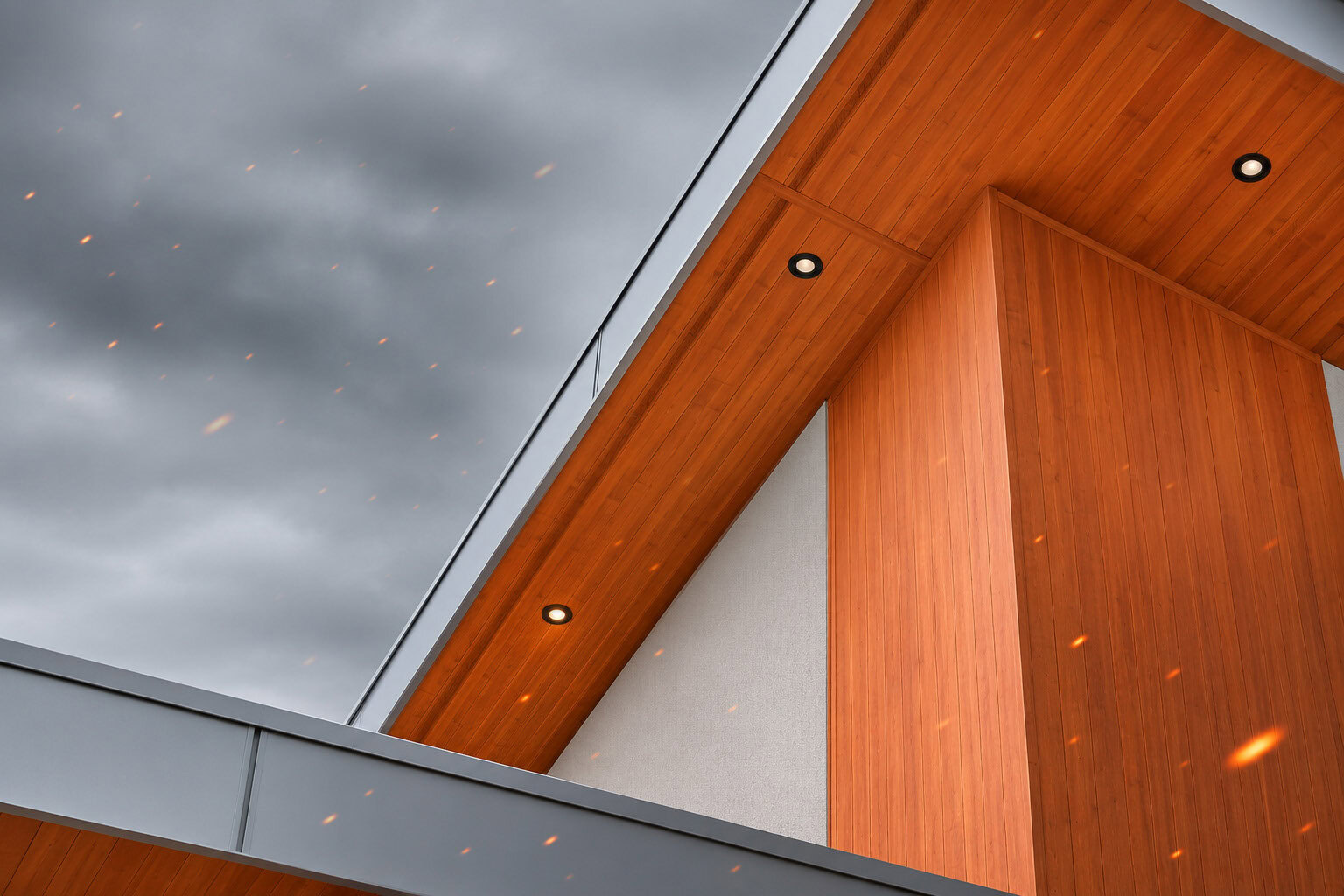

Plank Applications and Specifications: AL13® planks bring the beauty and warmth of wood to walls and soffits without the associated maintenance. These planks are made of solid non-combustible extruded aluminum and are available in 4″ and 6″ sizes, with a 2″ perforated vent strip option.
Testing and Certifications: AL13® planks are also thoroughly tested and certified:
WUI regulations have evolved significantly over the years, incorporating advancements in fire science and lessons learned from past wildfires. For instance, the 2007 Witch Creek Fire in California highlighted the effectiveness of WUI standards, as homes built to these standards had higher survival rates compared to those that did not. The 2007 Witch Creek Fire in California was a significant event that underscored the importance of WUI standards. The fire burned nearly 200,000 acres, destroyed over 1,600 structures, and caused $1.8 billion in property damage. A study by the National Institute of Standards and Technology (NIST) and the U.S. Forest Service highlighted those homes built to WUI standards had higher survival rates. The report also showed that defensive strategies were more effective in areas with lower exposure to fire and embers (NIST). Continuous updates to WUI codes and standards aim to improve building materials, construction methods, land use planning, and vegetation management practices.
Modern WUI management integrates advanced technologies such as GIS mapping, remote sensing, and predictive modelling to assess fire risks and plan mitigation strategies. Successful WUI programs often involve active community engagement and education, encouraging residents to create defensible spaces around their properties. Additionally, studies show that investing in WUI compliance can significantly reduce the economic impact of wildfires, as the cost of implementing WUI standards is often far less than the costs associated with wildfire damage and recovery.
Understanding and following the WUI regulations is essential for protecting lives, properties, and natural resources in fire-prone areas. By staying informed and compliant, individuals and communities can significantly reduce the risks associated with wildfires and build a safer future.


Copyright © 2026 AL13® architectural systems


